Satisfaction Guaranteed
All products are handled with strict quality standards to ensure consistent research-grade excellence.
Secure Ordering
Our checkout is SSL encrypted and completely secure.
Third-party Tested
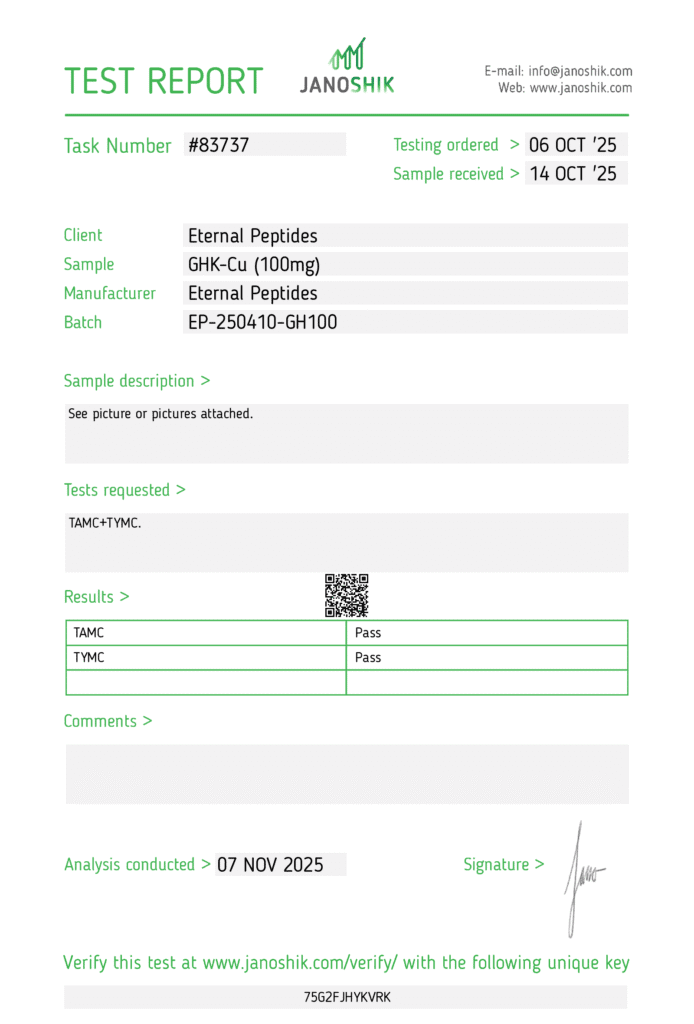
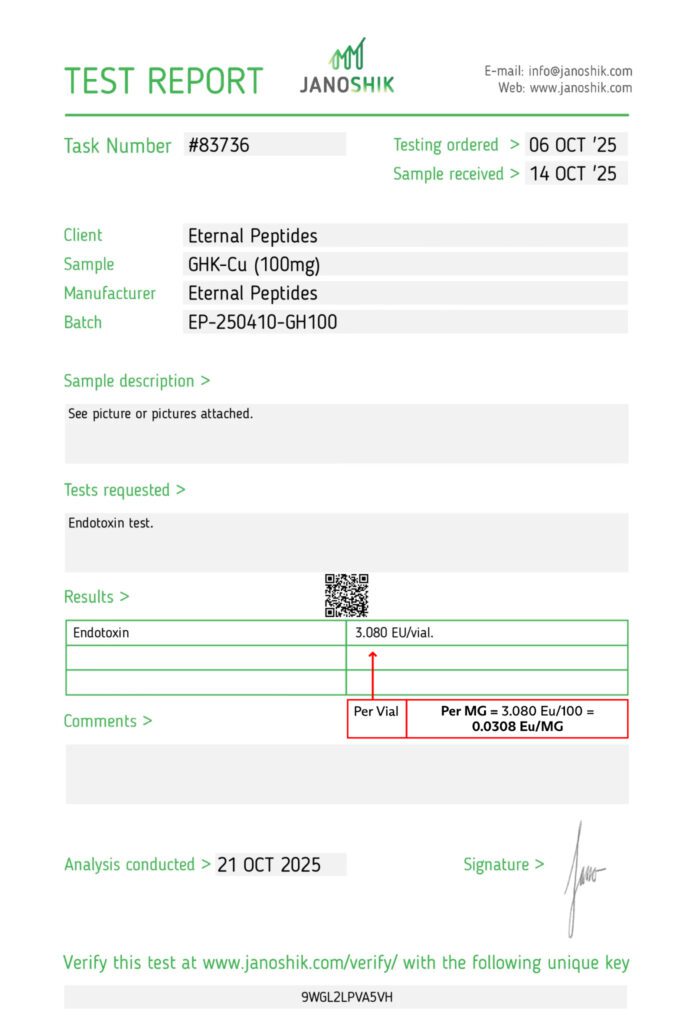
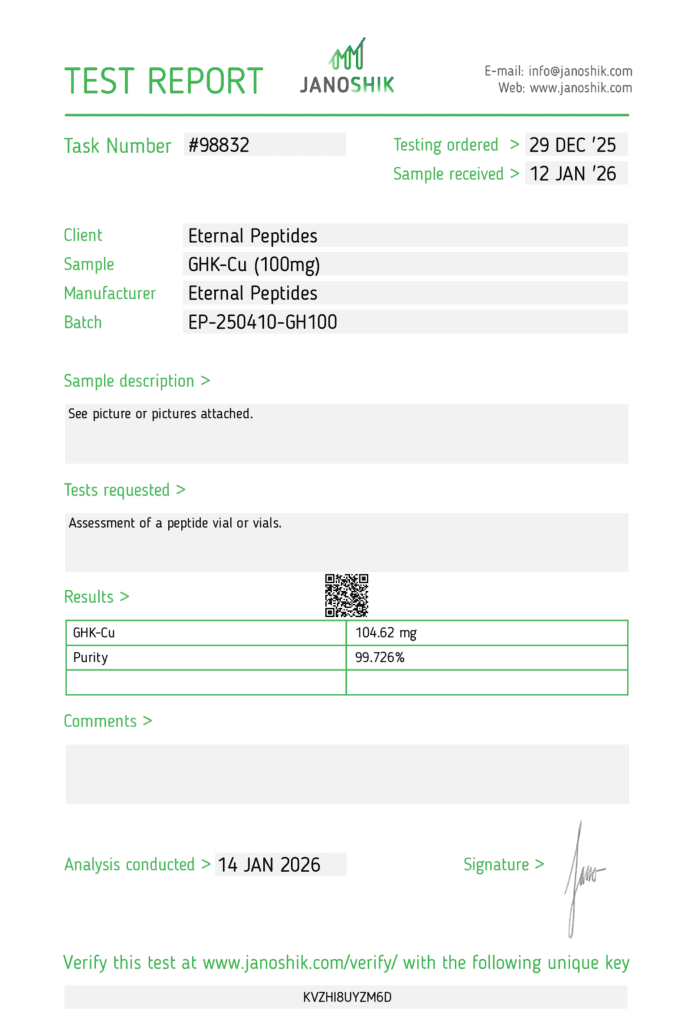
Our products are verified by independent third party laboratories to meet quality standards.
Batch & Lot Tracking
All product batches and lots are assigned unique identifiers and tied to publicly posted lab reports.
GHK-Cu (100mg)
$85.00 Original price was: $85.00.$79.99Current price is: $79.99.
Save 5.01$ (6% Off)
Discount per Quantity
| Quantity | Discount | Price |
|---|---|---|
| 5 - 10 | 5% | $75.99 |
| 11 - 20 | 10% | $71.99 |
| 21+ | 15% | $67.99 |
Concentration: ≥99%
Rigorous Third-Party Testing
Every batch of our research chemicals and peptides undergoes third-party testing.
*Disclaimer: This product is intended solely for laboratory research purposes. It is not suitable for consumption by humans, nor for medical, veterinary, or household purposes. Kindly review our Terms & Conditions before making a purchase.
Always quality-tested, verified with third party COA’s
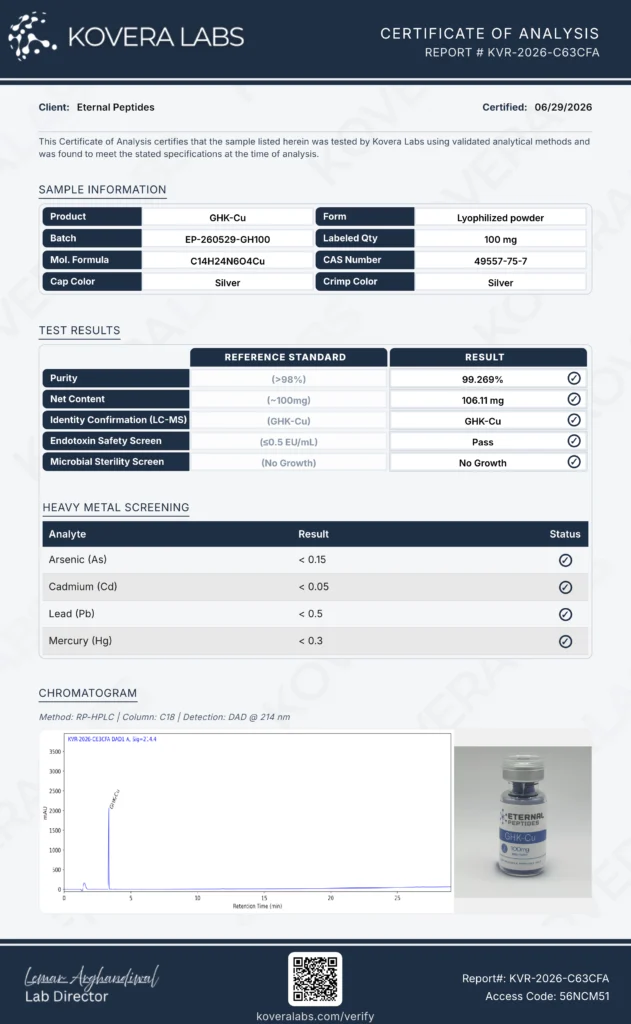
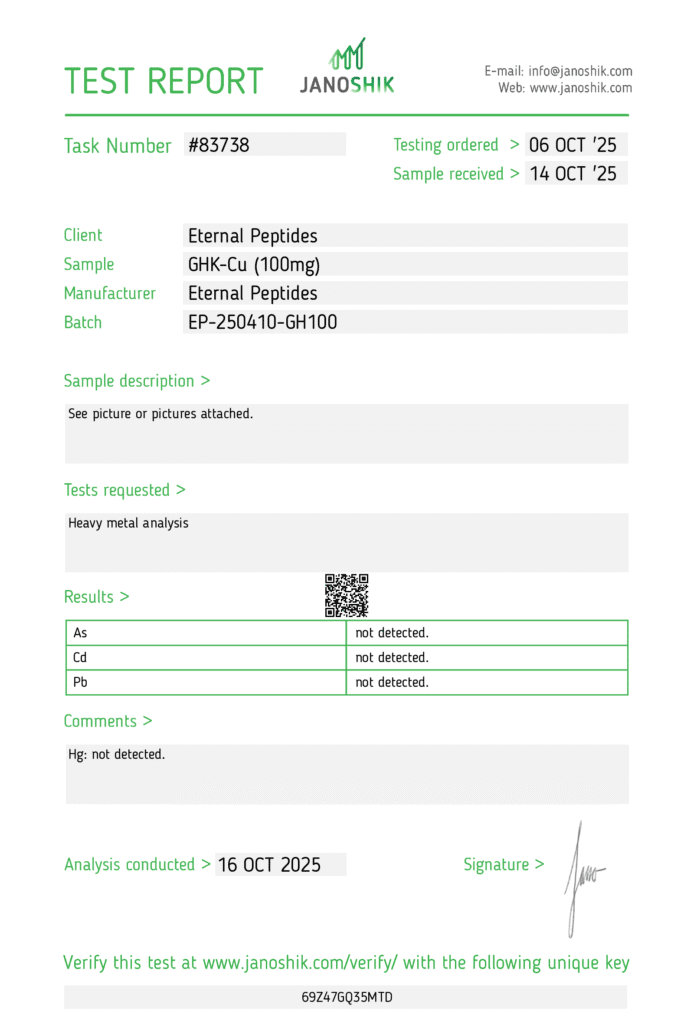
At every step, we prioritize quality by conducting rigorous third-party testing on all our products. These tests focus on five key characteristics- identity, purity, sterility, and endotoxin levels, and heavy metal content-ensuring that each product meets the highest standards of quality with independent third-party Certificates of Analysis (COAS) to verify our commitment to excellence.
Identity Test
Purity Test
Sterility Test
Endotoxin Test
Heavy Metals Test
Identity Test
Purity Test
Sterility Test
Endotoxin Test
Heavy Metals Test
*Disclaimer: This product is intended solely for laboratory research purposes. It is not suitable for consumption by humans, nor for medical, veterinary, or household purposes.Kindly review our Terms & Conditions before making a purchase.
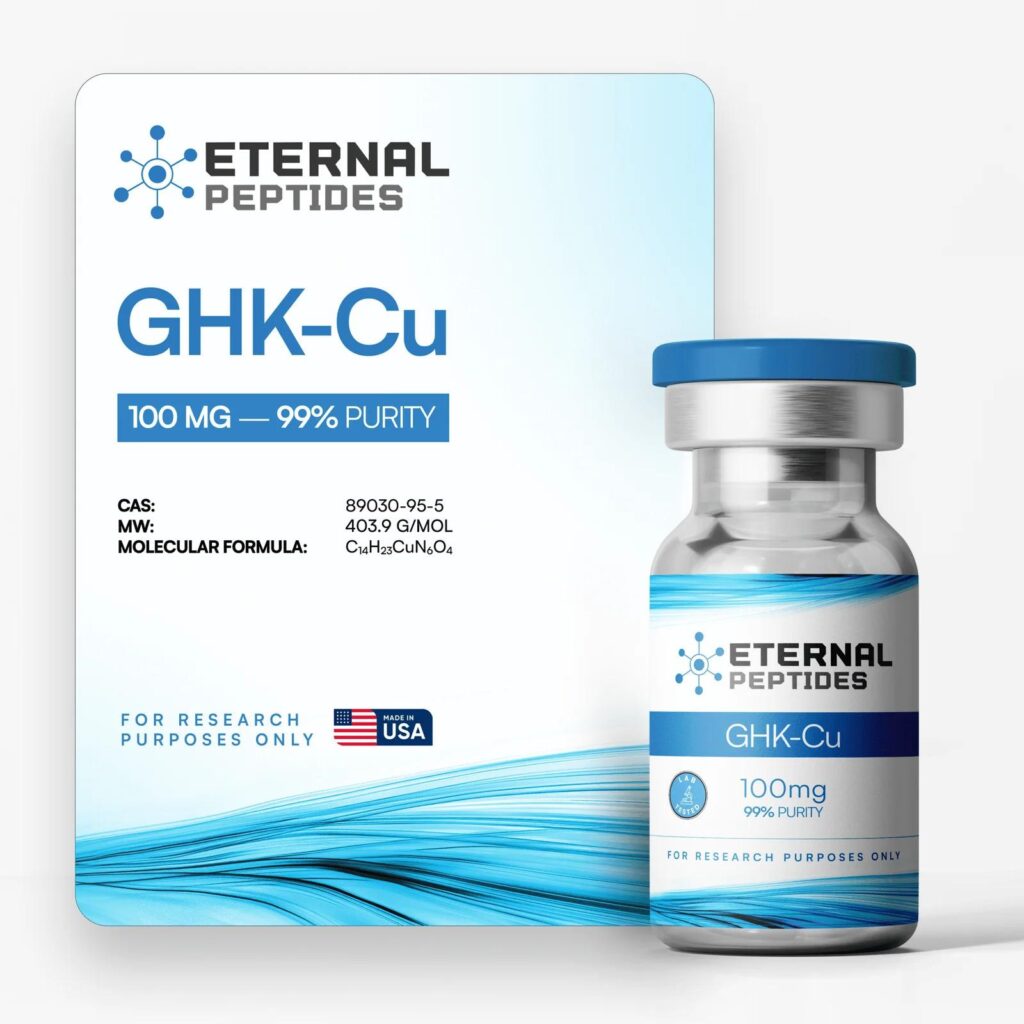
Order high-purity GHK-Cu 100mg from Eternal Peptides, the trusted U.S. source for verified research compounds. This naturally occurring copper-binding tripeptide is synthesized to a standard of ≥99% purity, with every batch independently tested by Janoshik Analytical. GHK-Cu is a primary reagent for researchers investigating collagen synthesis, tissue remodeling, and hair follicle signaling pathways. Order today for fast, secure US shipping and free Priority delivery on all orders over $200.
What is GHK-Cu?
GHK-Cu, commonly referred to as copper tripeptide-1, is a naturally occurring copper-binding peptide composed of three amino acids: glycine, histidine, and lysine, complexed with a divalent copper ion (Cu²⁺). It was first identified in the 1970s by Dr. Loren Pickart during studies of human plasma proteins, where it was observed as an endogenous peptide fragment with high affinity for copper.
Structurally, GHK-Cu is classified as a low–molecular weight tripeptide–metal complex rather than a hormone or growth factor analogue.
In scientific literature, GHK-Cu is primarily investigated for its role in cellular signaling, extracellular matrix remodeling, gene expression modulation, and copper homeostasis[1]. Preclinical research has explored its interactions with fibroblasts, keratinocytes, endothelial cells, and neural tissues, but the majority of data is from in vitro models and animal studies rather than large-scale human clinical trials.
GHK-Cu’s ability to bind and transport bioavailable copper is a central feature in many experimental frameworks. For laboratory research, GHK-Cu is valued for its high solubility in aqueous solutions, relative chemical stability when properly stored, and well-characterized molecular structure, making it suitable for controlled experimental applications and reproducible study designs.
How GHK-Cu Works: Mechanistic Overview
GHK-Cu operates as a multifunctional peptide–metal signaling complex that influences several interconnected biological pathways rather than a single receptor-mediated mechanism.
In experimental models, its activity is commonly linked to copper homeostasis, transcriptional regulation, extracellular matrix signaling, and cellular stress modulation. These mechanistic themes help explain why GHK-Cu is frequently used in studies examining tissue dynamics, cellular adaptation, and regenerative signaling in non-clinical settings.
Copper Transport & Transcriptional Regulation
GHK-Cu exhibits a strong affinity for Cu²⁺ ions and is thought to act as a controlled “copper shuttle” within biological systems. Preclinical research suggests this delivery supports copper-dependent enzymes such as superoxide dismutase and lysyl oxidase, while also influencing broad gene expression patterns[2].
Popular gene-expression studies have reported modulation of genes involved in collagen synthesis, antioxidant defense, growth-factor signaling, and cellular differentiation, indicating a systems-level regulatory role rather than a narrow molecular target[1].
Extracellular Matrix, Inflammation & Cellular Stress Signaling
Studies show GHK-Cu interacting with pathways that regulate extracellular matrix turnover, including collagen remodeling and protease activity. In cell culture and animal wound models, it has been associated with altered inflammatory signaling, angiogenic responses, and improved cellular resilience under oxidative or metabolic stress[3]. These observed outcomes are attributed to coordinated signaling effects rather than direct structural action.
However, controlled human clinical evidence on these mechanisms is limited, and all mechanistic interpretations should be viewed strictly within a preclinical research context. GHK-Cu is a research compound and is not approved for any human or veterinary applications.
GHK-Cu Research Value (Applications)
GHK-Cu is widely used in preclinical research exploring cellular regeneration, oxidative balance, inflammatory signaling, angiogenesis, and age-related molecular changes.
These observations are derived from in vitro experiments and animal models only and do not imply human or veterinary benefits. Note that GHK-Cu is not approved for therapeutic use, and Eternal Peptides supplies this compound strictly for research use only, not for diagnostic, treatment, or prevention purposes.
Cellular Regeneration & Tissue Remodeling Models
In laboratory and animal studies, GHK-Cu is frequently applied in models examining tissue remodeling and regenerative signaling. Research has observed changes in fibroblast activity, collagen organization, and extracellular matrix turnover when GHK-Cu is present[1]. These effects are linked to its influence on genes involved in structural protein synthesis and matrix-regulating enzymes, making it useful in wound-model and tissue-dynamics research.
In simple terms, researchers use GHK-Cu to study how cells rebuild and reorganize structural support systems under controlled experimental conditions.
Hair Follicle & Dermal Papilla Signaling
A significant volume of preclinical inquiry focuses on GHK-Cu’s interaction with the hair follicle environment. Studies typically investigate how copper-binding peptides influence the proliferation of dermal papilla cells and the regulation of follicle size. Experimental models often observe the peptide’s role in the hair growth cycle, specifically its potential to modulate the duration of the anagen (growth) phase versus the telogen (resting) phase.
Oxidative Stress & Cellular Protection Pathways
GHK-Cu has been studied in oxidative stress models due to its role in copper transport and interaction with antioxidant-related enzymes. Experimental findings suggest it may influence redox balance by modulating pathways associated with reactive oxygen species management and cellular defense signaling[2]. These observations are typically measured through changes in oxidative markers in cell cultures or animal tissues.
Put plainly, GHK-Cu helps researchers explore how cells respond to oxidative strain and maintain internal balance during stress.
Inflammation & Immune Signaling Research
Several preclinical studies investigate GHK-Cu in relation to inflammatory signaling pathways. Observations from animal and cellular models indicate altered expression of cytokines and inflammatory mediators following exposure[4].
These findings suggest GHK-Cu may play a regulatory role in immune-related signaling cascades, without indicating disease treatment or immune enhancement.
Simply stated, scientists use GHK-Cu to examine how inflammatory signals are regulated at the cellular level.
Angiogenesis & Vascular Signaling Studies
GHK-Cu is also used in angiogenesis research models, where it has been associated with changes in endothelial cell behavior and vascular signaling markers. Animal studies have explored its interaction with growth-factor pathways involved in new vessel formation and tissue perfusion, particularly in wound and ischemia-adjacent models[5].
In other words, GHK-Cu is used to study how cells involved in blood vessel formation communicate and adapt in experimental systems.
Aging & Gene Expression Modulation Models
A growing area of interest involves GHK-Cu’s effects on age-associated gene expression patterns. Preclinical studies have reported shifts in genes linked to cellular repair, stress resistance, and structural maintenance in aging models[2]. These findings support its use in laboratory research focused on biological aging processes rather than lifespan extension claims.
In short, researchers are exploring the use of GHK-Cu to study how aging cells change at a molecular level over time.
GHK-Cu Peptide Characteristics
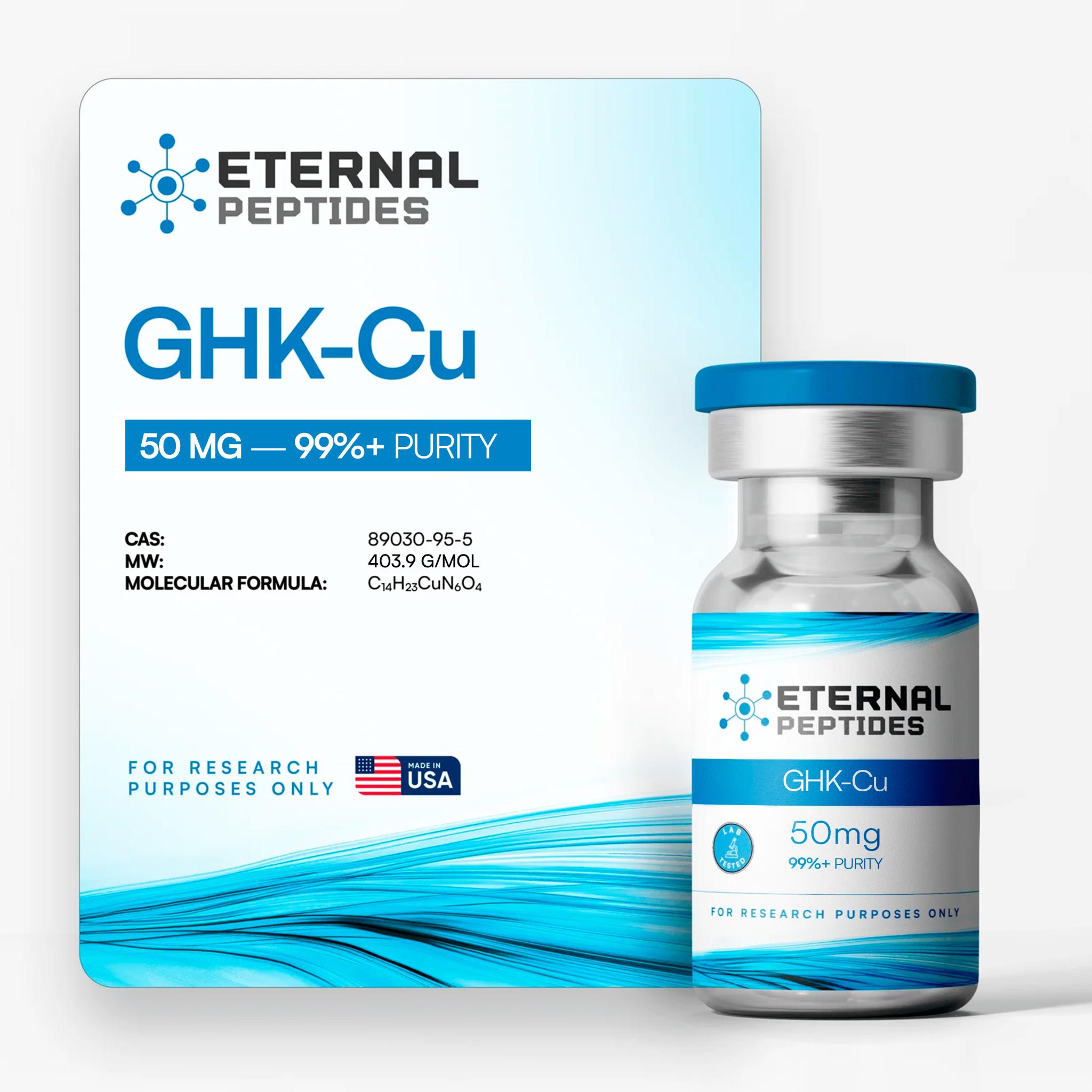
| Property | Description |
| Name | GHK-Cu (Copper Tripeptide-1; glycyl-L-histidyl-L-lysine copper complex) |
| Sequence | GHK (Gly-His-Lys) complexed with Cu²⁺ |
| Molecular Weight | ~403.9 g/mol (GHK-Cu complex; minor variation may occur based on copper coordination state) |
| Molecular Formula | C28H48CuN12O8 |
| Identifiers | PubChem CID 133697840 |
| Structural Class | Naturally occurring tripeptide–metal complex |
| Product Form | Lyophilized powder supplied in sterile research vials |
| Available Sizes | 50 mg and 100 mg vials |
| Purity | Typically ≥99% purity; verified via lot-specific Certificate of Analysis (COA) |
| Solubility | Soluble in sterile water or appropriate aqueous laboratory buffers; gentle mixing recommended to avoid foaming |
| Stability | Stable as a lyophilized powder when stored cold, dry, and protected from light; reconstituted solutions should be handled according to laboratory SOPs |
| Research Designation | For research use only; not approved for human or veterinary use |
Batch: EP-250810-GH100
GHK-Cu Handling & Storage Guidelines
GHK-Cu should be stored as a lyophilized powder in a tightly sealed vial at –4°F to –112°F (–20°C to –80°C) for long-term stability. When short-term storage is required, refrigeration at 36–46°F (2–8°C) is acceptable provided the vial is protected from light and moisture. Keep the material dry and minimize exposure to ambient humidity, as copper–peptide complexes are sensitive to environmental conditions.
If reconstitution is required, allow the vial to reach room temperature before opening to prevent condensation. Reconstitute using sterile, research-grade water or a compatible buffered solution. Add the solvent slowly along the vial wall and gently swirl until fully dissolved. Do not shake vigorously, as this may compromise peptide integrity.
To reduce degradation, reconstituted GHK-Cu should be aliquoted into single-use volumes. This practice limits repeated freeze–thaw cycles, which can destabilize the peptide and affect copper coordination. Avoid refreezing thawed aliquots whenever possible.
Reconstituted working solutions may be stored short-term at 36–46°F (2–8°C) for limited experimental use. For longer-term storage, aliquots should be frozen at –4°F to –112°F (–20°C to –80°C) and clearly labeled with concentration and preparation date.
Note: GHK-Cu is intended for laboratory research use only. Handle using appropriate personal protective equipment and follow all institutional safety, handling, and disposal protocols to ensure compliance with laboratory and regulatory standards. For best results, order bacteriostatic water for reconstitution directly from Eternal Peptides.
COA / Quality Assurance
Each lot of GHK-Cu supplied by Eternal Peptides is accompanied by a lot-specific Certificate of Analysis (COA) to support research accuracy, reproducibility, and quality assurance.
Certificates of Analysis (COAs) help support research data integrity and reproducibility.. They provide detailed analytical verification and quality data to help researchers confidently evaluate material suitability before use.
COAs typically include:
- Peptide identity confirmation using analytical techniques such as HPLC and/or mass spectrometry
- Verified purity specifications
- Sterility testing, where applicable
- Endotoxin level assessment
- Recommended storage conditions
Eternal Peptides works with independent third-party analytical laboratories, such as Janoshik, to ensure objective, reliable testing. Each COA is fully traceable to a specific production lot and is accessible through the Lab Tests page, supporting transparent documentation, audit readiness, and reproducible research outcomes.
Legal / Regulatory Disclaimer
GHK-Cu is supplied by Eternal Peptides strictly for laboratory research use only. It is not approved for human or veterinary use, clinical administration, therapeutic intervention, or diagnostic procedures.
The safety and efficacy of this compound in humans or animals have not been established. Purchasers and users are solely responsible for ensuring compliance with all applicable local laws, regulations, institutional biosafety requirements, and research-use policies.
Any misrepresentation of intended use or deviation from research-only application may result in regulatory enforcement actions or legal consequences.
Scientific References
- Pickart L, Margolina A. Regenerative and Protective Actions of the GHK-Cu Peptide in the Light of the New Gene Data. Int J Mol Sci. 2018 Jul 7;19(7):1987.
https://pmc.ncbi.nlm.nih.gov/articles/PMC6073405/
- Pickart L, Vasquez-Soltero JM, Margolina A. The human tripeptide GHK-Cu in prevention of oxidative stress and degenerative conditions of aging: implications for cognitive health. Oxid Med Cell Longev. 2012;2012:324832. doi: 10.1155/2012/324832. Epub 2012 May 10. PMID: 22666519; PMCID: PMC3359723.
https://pmc.ncbi.nlm.nih.gov/articles/PMC3359723/
- Adnan SB, Maarof M, Fauzi MB, Fadilah NIM. Exploring the Role of Tripeptides in Wound Healing and Skin Regeneration: A Comprehensive Review. Int J Med Sci. 2025 Oct 1;22(16):4175-4200.
https://www.medsci.org/v22p4175.htm
- Pickart L, Vasquez-Soltero JM, Margolina A. The Effect of the Human Peptide GHK on Gene Expression Relevant to Nervous System Function and Cognitive Decline. Brain Sci. 2017 Feb 15;7(2):20.
https://pmc.ncbi.nlm.nih.gov/articles/PMC5332963/
- Pickart L, Vasquez-Soltero JM, Margolina A. GHK Peptide as a Natural Modulator of Multiple Cellular Pathways in Skin Regeneration. Biomed Res Int. 2015;2015:648108.
https://pmc.ncbi.nlm.nih.gov/articles/PMC4508379/
About the Author:
Dr. Sony Sherpa, MBBS, MD
is a board-certified clinician with a background in emergency medicine and clinical practice. She specializes in medical research analysis, ensuring that product information is grounded in evidence-based medicine and strictly adheres to the latest scientific standards in peptide research and recovery.
Related products
-
Tesamorelin (10mg)
$100.00Original price was: $100.00.$89.99Current price is: $89.99. Purchase & earn 90 points!Add to cart -
GLP-3 (R) (10mg)
$120.00Original price was: $120.00.$99.99Current price is: $99.99. Purchase & earn 100 points!Add to cart -
MOTS-C (10mg)
$65.00Original price was: $65.00.$59.99Current price is: $59.99. Purchase & earn 60 points!Add to cart -
BPC 157 & TB 500 (5/5mg) Blend
$85.00Original price was: $85.00.$74.99Current price is: $74.99. Purchase & earn 75 points!Add to cart