All products are handled with strict quality standards to ensure consistent research-grade excellence.
Our checkout is SSL encrypted and completely secure.
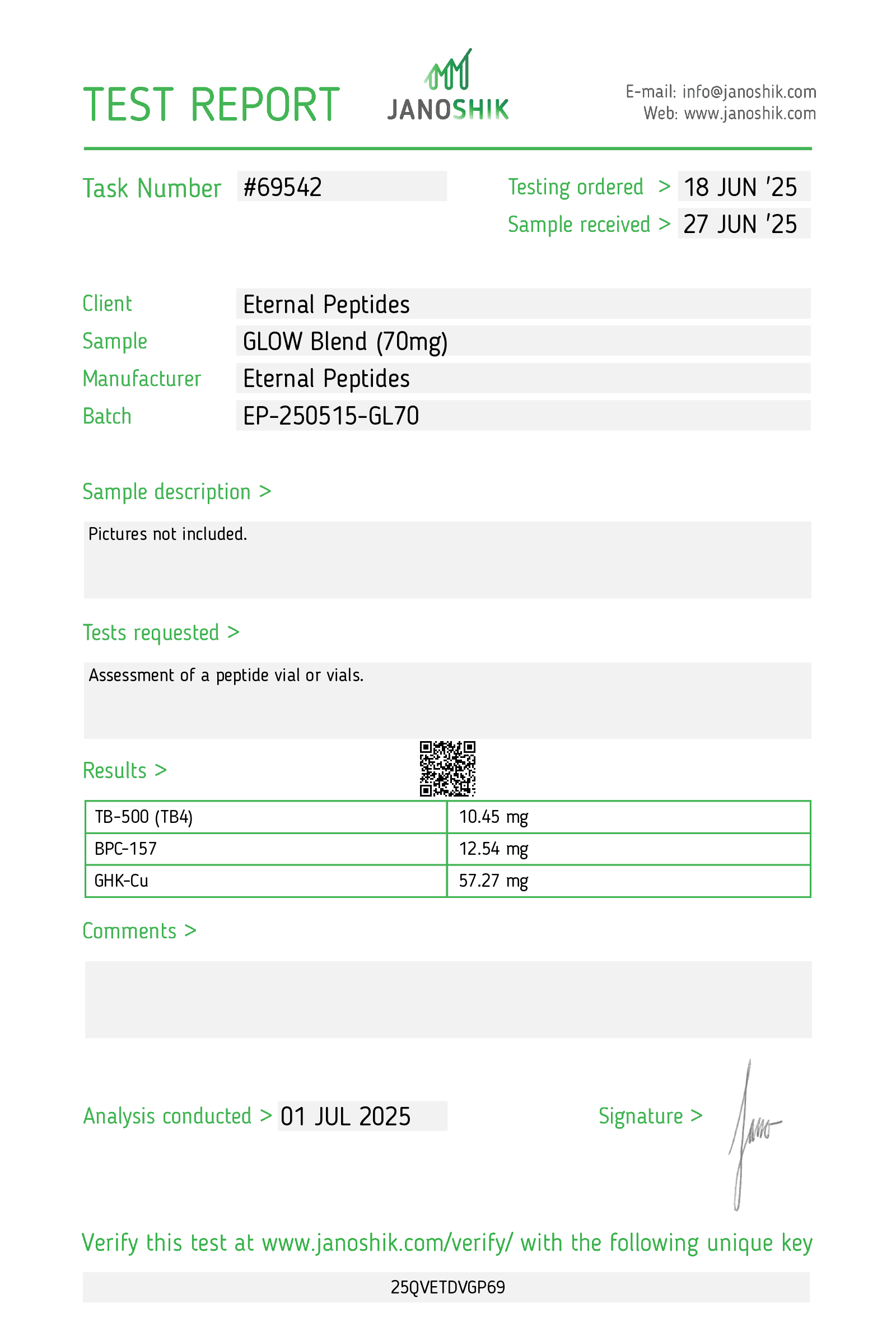
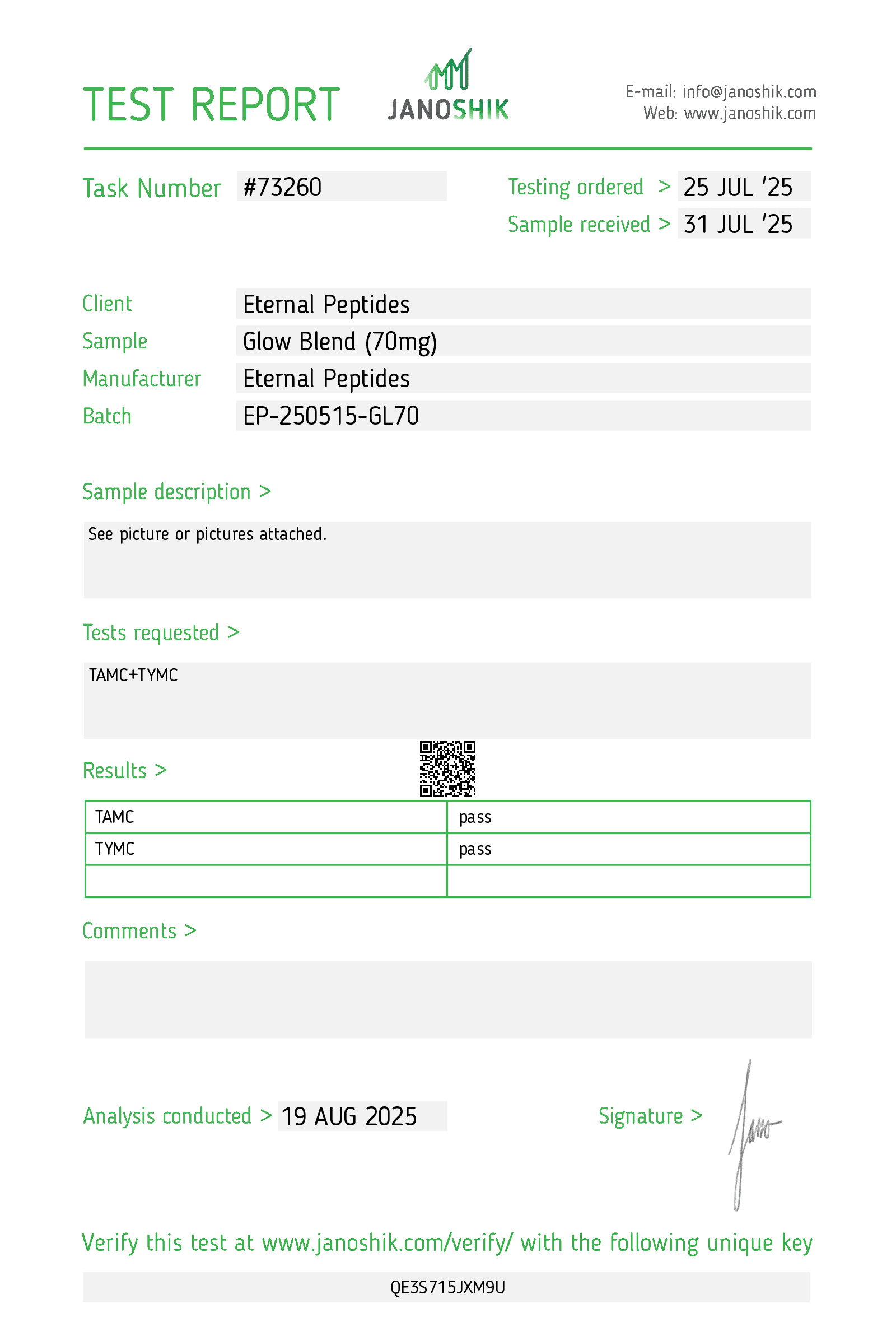
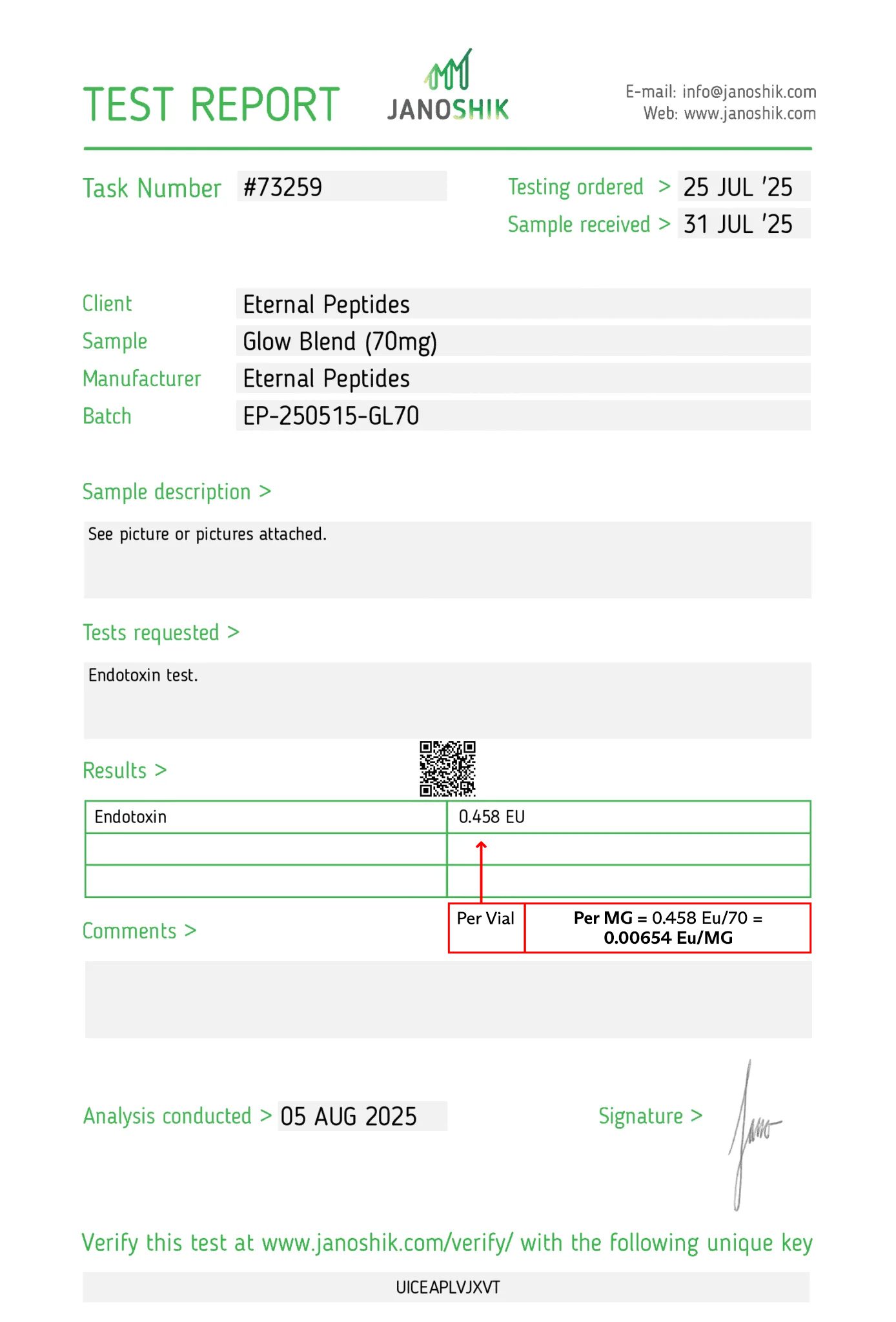
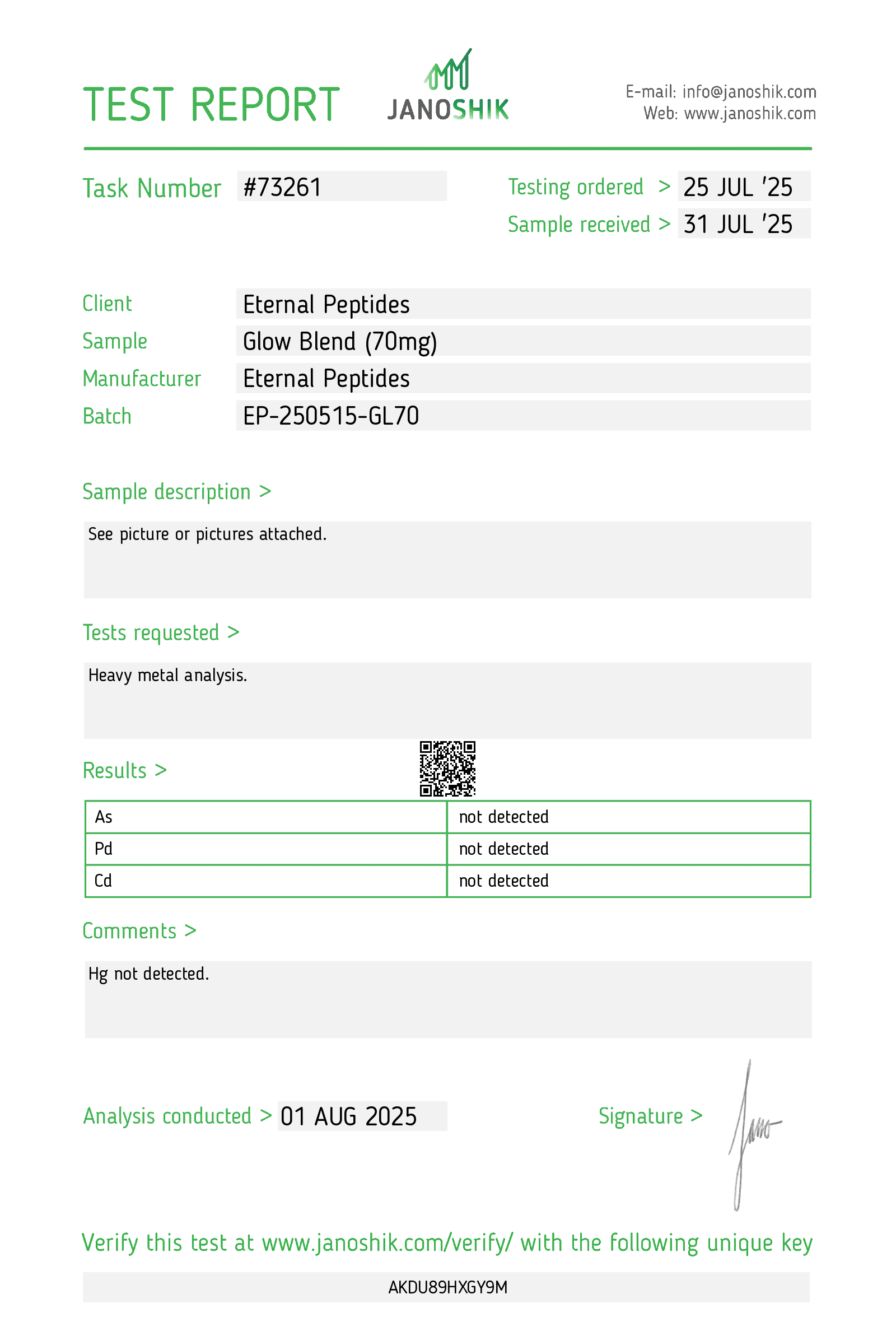
Our products are verified by independent third party laboratories to meet quality standards.
All product batches and lots are assigned unique identifiers and tied to publicly posted lab reports.
We are committed to helping our customers. If you have any questions or concerns, please reach out through our Contact Us page.
$160.00 Original price was: $160.00.$150.99Current price is: $150.99.
| Quantity | Discount | Price |
|---|---|---|
| 5 - 10 | 5% | $143.44 |
| 11 - 20 | 10% | $135.89 |
| 21+ | 15% | $128.34 |
Every batch of our research chemicals and peptides undergoes third-party testing.
*Disclaimer: This product is intended solely for laboratory research purposes. It is not suitable for consumption by humans, nor for medical, veterinary, or household purposes. Kindly review our Terms & Conditions before making a purchase.

Always quality-tested, verified with third party COA’s
At every step, we prioritize quality by conducting rigorous third-party testing on all our products. These tests focus on five key characteristics- identity, purity, sterility, and endotoxin levels, and heavy metal content-ensuring that each product meets the highest standards of quality with independent third-party Certificates of Analysis (COAS) to verify our commitment to excellence.
*Disclaimer: This product is intended solely for laboratory research purposes. It is not suitable for consumption by humans, nor for medical, veterinary, or household purposes.Kindly review our Terms & Conditions before making a purchase.
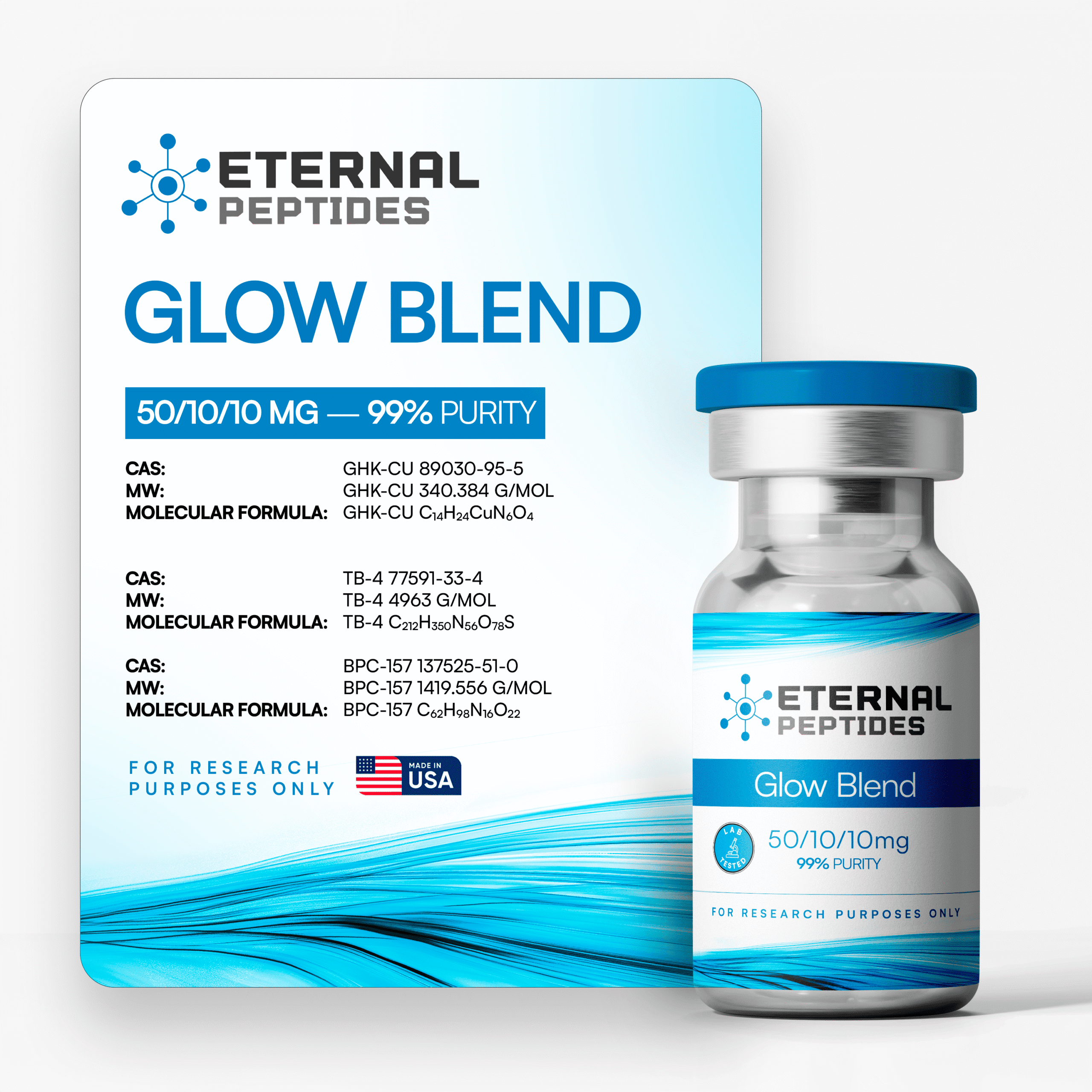
Order Glow Blend 70mg from Eternal Peptides, a trusted peptides supplier with consistent peptide quality and rigorous third-party testing by leading labs. This premium blend combines three research peptides: GHK-Cu, BPC-157, and TB-500, a formulation designed for studies investigating tissue repair, skin health, and regenerative processes. Each batch is independently tested for purity and potency, with certificates of analysis available online. Order now for free shipping on orders above $200, with 24/7 support across the US. Sold for research use only.
Glow Blend is a synergistic research formulation combining three distinct peptides: GHK-Cu (glycyl-L-histidyl-L-lysine-copper complex), BPC-157 (Body Protection Compound-157), and TB-500 (Thymosin Beta-4 fragment).
The name “Glow Blend” is a colloquial label referencing research observations in dermal matrix remodeling and collagen-related pathways in preclinical models.
In scientific literature, this combination is primarily investigated for its potential effects on tissue repair, wound healing, collagen synthesis, and skin regeneration.
GHK-Cu has been studied extensively in vitro and in animal models for its influence on extracellular matrix remodeling and anti-inflammatory pathways. BPC-157 research focuses on accelerated healing of various tissue types, particularly tendons and ligaments, while TB-500 studies examine cellular migration and angiogenesis.
Glow Blend is supplied in lyophilized powder form to ensure optimal stability during storage and high solubility upon reconstitution, making this blend ideal for controlled research applications.
Glow Blend’s three-peptide formulation operates through complementary mechanisms targeting tissue repair and regenerative processes.
Together, these peptides have demonstrated effects on inflammation modulation, vascular formation, and tissue regeneration in preclinical models. Animal studies have observed accelerated wound closure, improved tendon healing, and enhanced dermal thickness following administration of these individual peptides.
However, the combined formulation represents a novel research approach.
GHK-Cu stimulates fibroblast proliferation and increases production of structural proteins including collagen types I and III, elastin, and glycosaminoglycans[1]. The copper component acts as a cofactor for lysyl oxidase, an enzyme critical for collagen and elastin cross-linking.
In vitro studies demonstrate that GHK-Cu upregulates genes associated with tissue repair while simultaneously suppressing inflammatory and fibrotic markers[2]. Rodent models of dermal injury have shown significantly increased wound tensile strength and organized collagen deposition in GHK-Cu-treated groups compared to controls[3].
The peptide also appears to influence transforming growth factor-beta (TGF-β) signaling, potentially reducing excessive scar formation while promoting functional tissue restoration.
Both BPC-157 and TB-500 have demonstrated pro-angiogenic properties in preclinical research. TB-500 upregulates vascular endothelial growth factor (VEGF) expression and promotes endothelial cell migration through actin polymerization pathways. This peptide facilitates the formation of new capillary networks, essential for delivering oxygen and nutrients to regenerating tissues[4].
BPC-157 appears to influence the nitric oxide (NO) pathway and VEGF receptor activation, contributing to blood vessel formation and stabilization. Animal studies examining tendon injuries, muscle damage, and ischemic conditions have documented enhanced vascular density in treated subjects.
The increased perfusion observed in these models correlates with accelerated healing timelines and improved functional recovery in tissue repair assessments.
BPC-157 exhibits notable cytoprotective effects across multiple tissue types in animal research. The peptide appears to stabilize cellular membranes, reduce oxidative stress, and modulate inflammatory cytokine production including tumor necrosis factor-alpha (TNF-α) and interleukin-6 (IL-6)[5].
Studies in rodent models of gastrointestinal injury, tendon damage, and ligament tears have shown reduced inflammatory markers and preserved tissue architecture following BPC-157 administration[6].
GHK-Cu similarly demonstrates anti-inflammatory properties by suppressing NF-κB signaling and reducing expression of pro-inflammatory mediators[7]. The combined formulation may provide synergistic protective effects, though this specific combination requires further investigation.
These mechanisms support tissue preservation during injury and may facilitate more favorable healing environments in experimental models.
TB-500’s primary mechanism involves regulation of actin, a structural protein essential for cell movement and shape. By binding to G-actin, TB-500 promotes actin polymerization and cytoskeletal reorganization, enabling enhanced cellular migration toward injury sites[8].
This mechanism is particularly relevant for keratinocyte and fibroblast migration during wound healing. In vitro scratch assays demonstrate accelerated gap closure in TB-500-treated cell cultures, while animal models of dermal wounds show faster epithelialization and reduced healing times in treated groups[9].
The peptide also appears to reduce apoptosis in damaged tissues and may influence stem cell differentiation pathways. These cellular effects translate to observable improvements in wound contraction, re-epithelialization rates, and overall tissue integrity in preclinical wound healing studies.
Note: While individual components of Glow Blend have been studied extensively in cellular assays and animal models, controlled human clinical trials remain limited. This blend has not been systematically evaluated in clinical settings, and all findings should be interpreted within a preclinical research context. Any observed effects in animal models cannot be directly extrapolated to human outcomes.
Glow Blend’s combined peptide formulation has been investigated across several research domains, primarily focusing on tissue regeneration, dermal aging models, musculoskeletal repair, and wound healing.
The observations summarized below are derived exclusively from preclinical studies, including cellular assays, rodent models, and other animal research. These findings do not imply any human therapeutic benefits, as controlled clinical evidence is absent.
Glow Blend is not approved for medical, veterinary, or clinical use, and Eternal Peptides does not promote or advocate for any such applications.
Animal models examining photoaged and chronologically aged skin have shown measurable improvements in dermal thickness, collagen density, and elasticity following treatment with GHK-Cu and related peptides.
Rodent studies demonstrate increased expression of collagen I and III genes, enhanced fibroblast activity, and improved extracellular matrix organization[1]. Histological analyses reveal reduced matrix metalloproteinase (MMP) activity, enzymes responsible for collagen degradation, alongside increased tissue inhibitors of metalloproteinases (TIMPs).
In the studies, UV-damaged skin models treated with copper peptides exhibited decreased oxidative stress markers and improved structural protein arrangement compared to untreated controls[10].
Preclinical wound healing studies consistently demonstrate accelerated closure rates and improved tissue quality in animals treated with BPC-157 and TB-500[11]. Rodent models of full-thickness dermal wounds show enhanced re-epithelialization, increased granulation tissue formation, and superior tensile strength at healing sites.
Studies examining surgical incisions report reduced healing times and improved scar cosmesis in treated groups. The combination appears particularly effective in models of impaired healing, such as diabetic rodent wounds, where vascular compromise typically delays recovery.
In similar studies, microscopic examination revealed enhanced angiogenesis, organized collagen deposition, and reduced inflammatory cell infiltration in treated wounds[12].
BPC-157 and TB-500 have been extensively studied in animal models of tendon, ligament, and muscle injuries. Rodent Achilles tendon transection models demonstrate accelerated healing, improved biomechanical properties, and enhanced collagen fiber alignment in treated groups[7].
Muscle crush injury studies show reduced necrosis, faster regeneration of muscle fibers, and improved functional recovery[1]. Similarly, ligament injury models reveal increased cellular proliferation at injury sites and superior structural organization during the healing phase. In these preclinical models, GLOW blend constituent peptides appear to influence satellite cell activation and migration, which are critical processes in muscle tissue regeneration.
GHK-Cu demonstrates potent antioxidant properties in cellular and animal studies, reducing reactive oxygen species (ROS) and lipid peroxidation markers.
Research models of inflammatory conditions show decreased pro-inflammatory cytokine expression and reduced NF-κB pathway activation following peptide treatment. BPC-157 exhibits protective effects in gastric ulcer models, ischemia-reperfusion injury studies, and inflammatory bowel disease research in rodents, consistently showing tissue preservation and reduced inflammatory damage.
Laboratory studies show these peptides reduce cellular damage from inflammation and oxidative stress, protecting tissues in various injury and disease models..
| Property | Details |
| Name | Glow Blend (GHK-Cu + BPC-157 + TB-500 combination) |
| Components | Glycyl-L-histidyl-L-lysine-copper(II) (GHK-Cu), Body Protection Compound-157 (BPC-157), Thymosin Beta-4 Fragment (TB-500) |
| Sequences | GHK-Cu: Gly-His-Lys + Cu²⁺
BPC-157: Gly-Glu-Pro-Pro-Pro-Gly-Lys-Pro-Ala-Asp-Asp-Ala-Gly-Leu-Val TB-500: Ac-Leu-Lys-Lys-Thr-Glu-Thr-Gln-OH (Ac-LKKTETQ) |
| Molecular Weight | GHK-Cu: 401.91 g/mol
BPC-157: 1419.5 g/mol TB-500: 889.01 g/mol |
| Molecular Formula | GHK-Cu: C₁₄H₂₂CuN₆O₄
BPC-157: C₆₂H₉₈N₁₆O₂₂ TB-500: C38H68N10O14 |
| PubChem CID | GHK-Cu: 133697840
BPC-157: 9941957 TB-500: 62707662 (155977548 for the acetate salt form) |
| Product Form | Blue-purple lyophilized powder in sterile vials (70mg total blend) |
| Purity | ≥99% per component, verified via third-party testing (Janoshik), lot-specific COAs available |
| Solubility | Highly soluble in bacteriostatic water or sterile saline; reconstitute gently to avoid peptide degradation |
| Storage | Store lyophilized powder at -20°C; reconstituted solution at 2-8°C for up to 30 days |
Note: This formulation combines three distinct peptides in a single preparation. Individual component characteristics may vary by batch; consult product-specific documentation for precise composition details.
Store unopened vials at -4°F to -22°F (-20°C to -30°C) in a freezer, protected from light and moisture. Under these conditions, lyophilized Glow Blend maintains stability for up to 24 months. Avoid repeated temperature fluctuations and ensure vials remain sealed until ready for reconstitution.
Reconstitute lyophilized powder using bacteriostatic water or sterile saline. Add solvent slowly along the vial wall to minimize foaming and peptide degradation. Gently swirl (do not shake vigorously) until powder is fully dissolved. Allow the solution to rest for 1-2 minutes before use.
For the best stability, purity, and consistent results, get bacteriostatic water with your Glow Blend order.
Once reconstituted, store solutions at 36°F to 46°F (2°C to 8°C) in a refrigerator for short-term use (up to 30 days). For extended storage, aliquot the reconstituted solution into sterile vials and store at -4°F to -22°F (-20°C to -30°C). Aliquoting prevents repeated freeze-thaw cycles, which can degrade peptide integrity.
Handle all peptides using aseptic technique in appropriate laboratory settings. Wear personal protective equipment (PPE) including gloves and lab coats. Ensure handling procedures comply with institutional biosafety guidelines and research protocols and dispose of materials according to local regulations for laboratory waste.
Eternal Peptides provides comprehensive Certificates of Analysis (COAs) for every lot of Glow Blend, ensuring transparency, traceability, and research-grade quality. Each COA is generated through independent third-party testing by leading analytical laboratories, including Janoshik, recognized for rigorous peptide verification standards.
All test results are accessible on our lab tests page.
CoAs typically document:
By partnering with independent, accredited laboratories (such as Janoshik and Finnrick Analytics), Eternal Peptides ensures unbiased quality verification.
Glow Blend is provided strictly for laboratory research purposes only. This product is not approved by the U.S. Food and Drug Administration (FDA) or any regulatory authority for human use, veterinary use, clinical administration, therapeutic applications, or diagnostic procedures. Safety and efficacy in humans have not been established through controlled clinical trials.
Purchasers are solely responsible for ensuring compliance with all applicable federal, state, and local regulations, as well as institutional biosafety policies and research-use guidelines.
By purchasing this product, you acknowledge that it is intended exclusively for in vitro research, preclinical studies, and other lawful scientific investigations conducted by qualified researchers in appropriate laboratory settings.
https://pmc.ncbi.nlm.nih.gov/articles/PMC6073405/
https://pmc.ncbi.nlm.nih.gov/articles/PMC4508379/
Life Sciences, Volume 80, Issue 4, 2007, Pages 275-284, ISSN 0024-3205.
https://www.sciencedirect.com/science/article/abs/pii/S0024320506007211
https://pmc.ncbi.nlm.nih.gov/articles/PMC8228050/
https://pmc.ncbi.nlm.nih.gov/articles/PMC8793015/
https://pmc.ncbi.nlm.nih.gov/articles/PMC12313605/
https://pmc.ncbi.nlm.nih.gov/articles/PMC12263609/
https://pmc.ncbi.nlm.nih.gov/articles/PMC10515290/
https://pmc.ncbi.nlm.nih.gov/articles/PMC11556548/
https://pmc.ncbi.nlm.nih.gov/articles/PMC4556990/
https://pmc.ncbi.nlm.nih.gov/articles/PMC11426299/
https://academic.oup.com/ejendo/article-abstract/120/6/767/6773641?redirectedFrom=fulltext
About the Author:
Dr. Sony Sherpa, MBBS, MD
is a board-certified clinician with a background in emergency medicine and clinical practice. She specializes in medical research analysis, ensuring that product information is grounded in evidence-based medicine and strictly adheres to the latest scientific standards in peptide research and recovery.