All products are handled with strict quality standards to ensure consistent research-grade excellence.
Our checkout is SSL encrypted and completely secure.
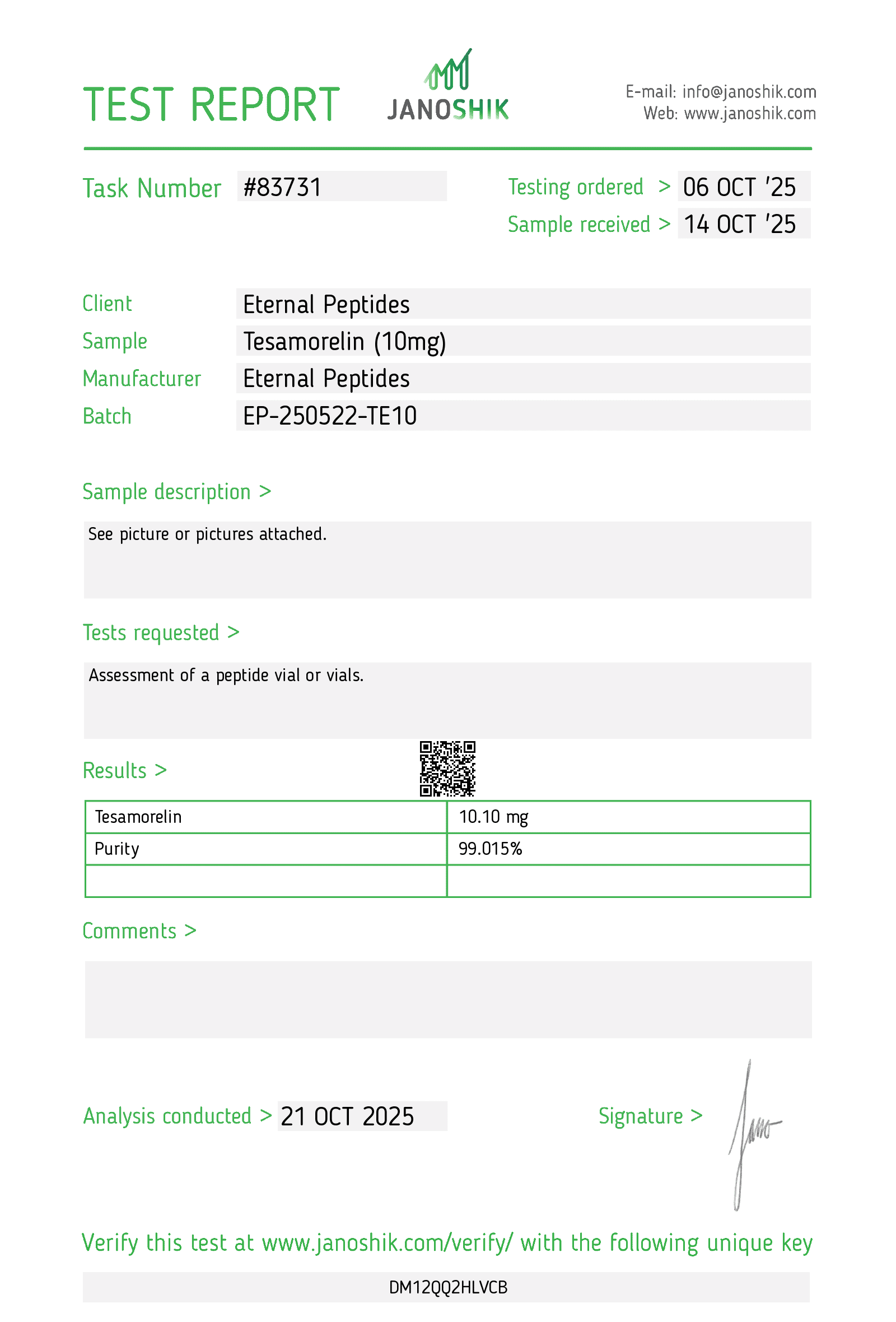
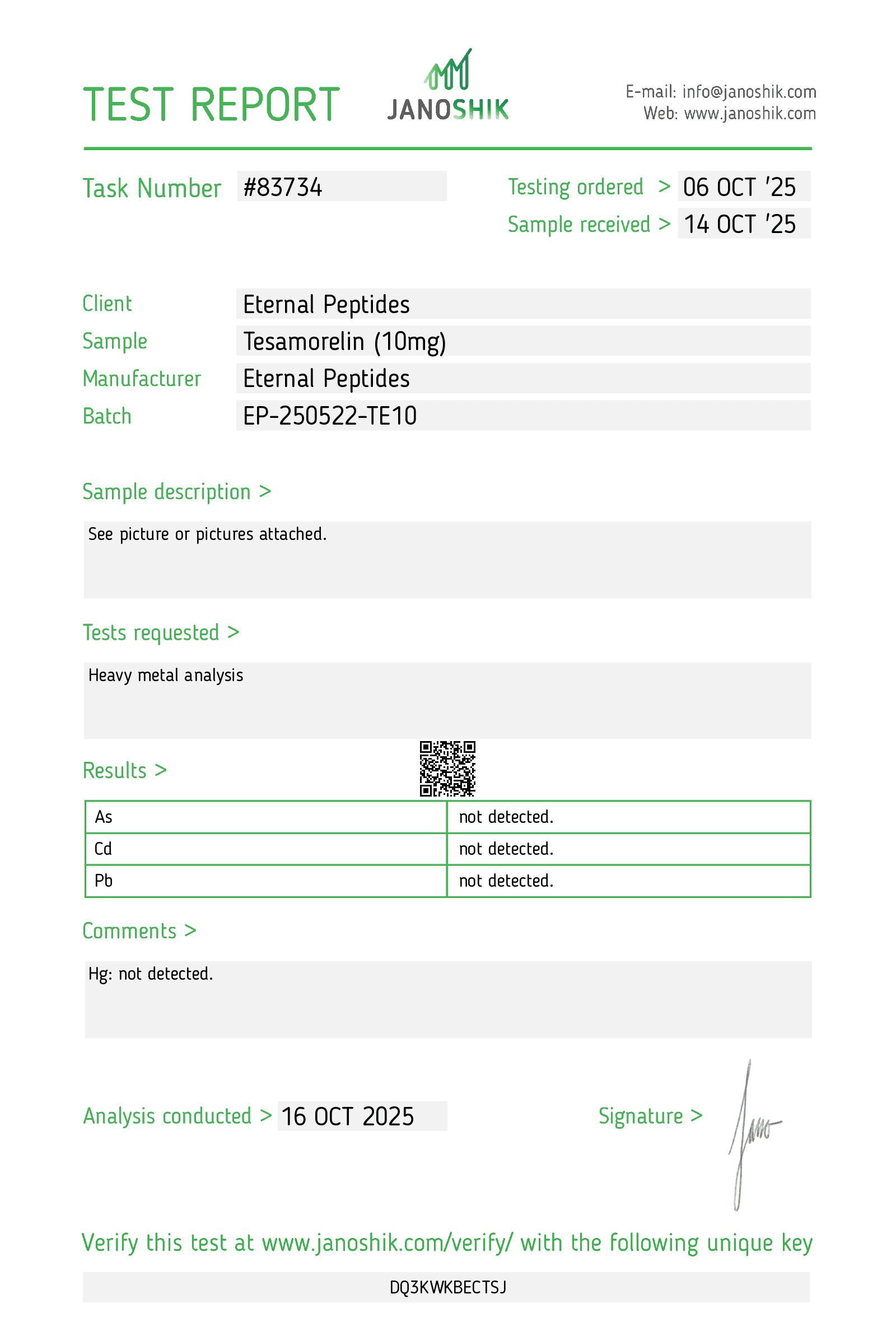
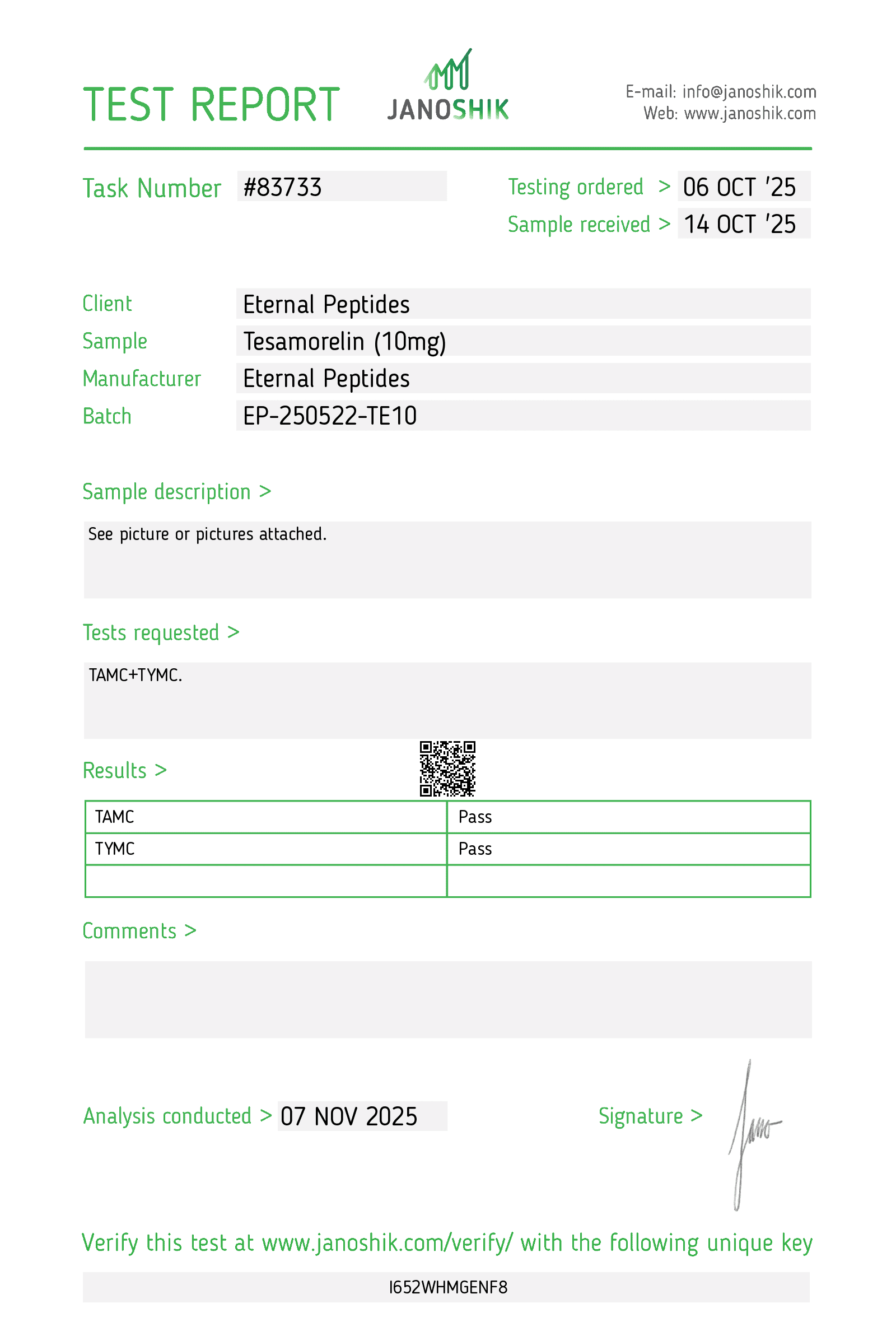
Our products are verified by independent third party laboratories to meet quality standards.
All product batches and lots are assigned unique identifiers and tied to publicly posted lab reports.
We are committed to helping our customers. If you have any questions or concerns, please reach out through our Contact Us page.
$52.99 – $89.99Price range: $52.99 through $89.99
| Quantity | Discount | Price |
|---|---|---|
| 5 - 10 | 5% | $85.49 |
| 11 - 20 | 10% | $80.99 |
| 21+ | 15% | $76.49 |
Every batch of our research chemicals and peptides undergoes third-party testing.
*Disclaimer: This product is intended solely for laboratory research purposes. It is not suitable for consumption by humans, nor for medical, veterinary, or household purposes. Kindly review our Terms & Conditions before making a purchase.

Always quality-tested, verified with third party COA’s
At every step, we prioritize quality by conducting rigorous third-party testing on all our products. These tests focus on five key characteristics- identity, purity, sterility, and endotoxin levels, and heavy metal content-ensuring that each product meets the highest standards of quality with independent third-party Certificates of Analysis (COAS) to verify our commitment to excellence.
*Disclaimer: This product is intended solely for laboratory research purposes. It is not suitable for consumption by humans, nor for medical, veterinary, or household purposes.Kindly review our Terms & Conditions before making a purchase.
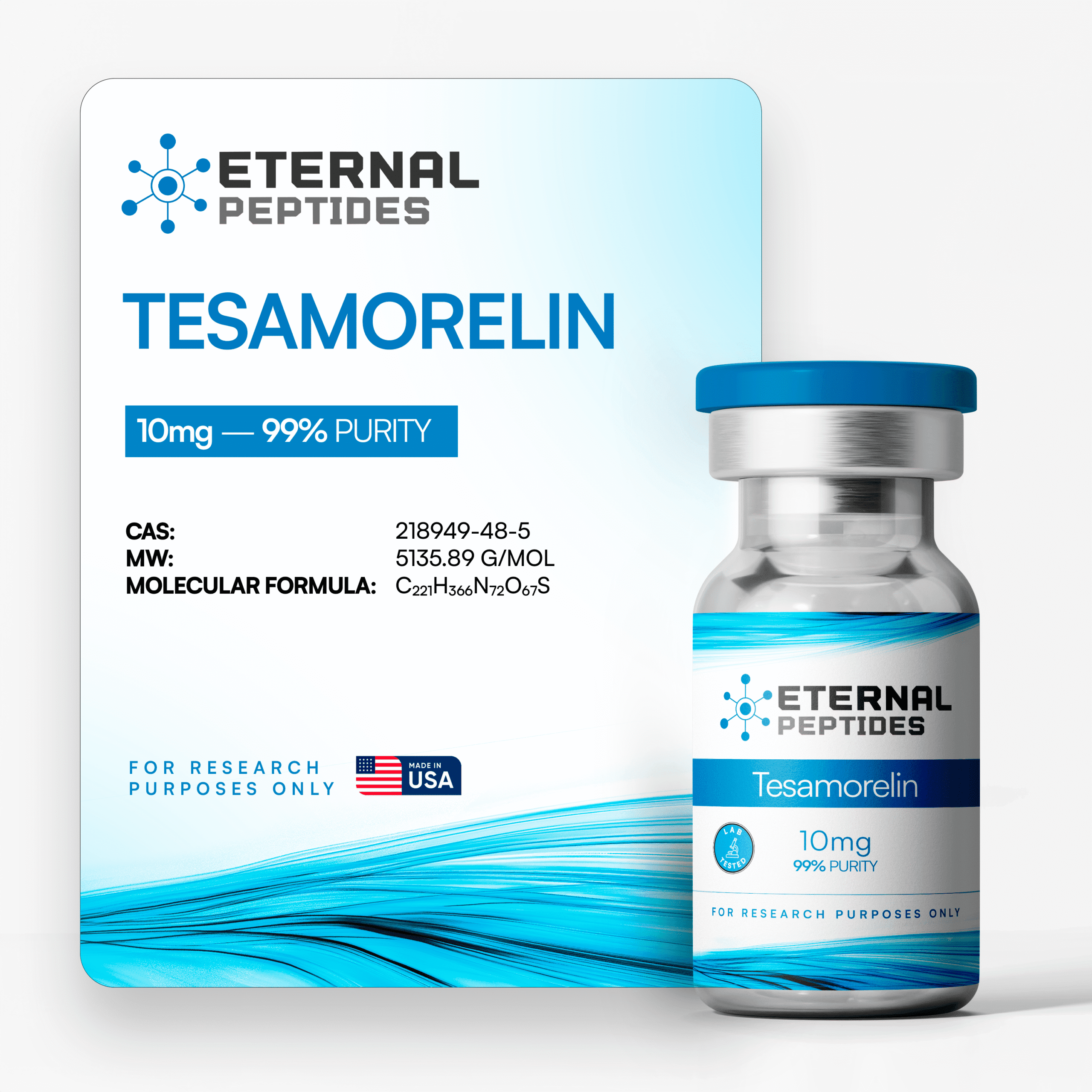
Shop high-purity Tesamorelin 10mg at Eternal Peptides, the preferred source for verified research compounds in the USA. This synthetic GHRH analogue is synthesized to a standard of ≥99% purity, with every batch rigorously tested and certified by Janoshik Analytical. Tesamorelin is uniquely valued in research for its potential to investigate visceral adipose tissue reduction and metabolic regulation. Order today for fast, discreet US shipping and free Priority delivery on orders over $200.
What is Tesamorelin? Tesamorelin is a synthetic peptide analogue of growth hormone-releasing hormone (GHRH) consisting of 44 amino acids with a trans-3-hexenoic acid group attached to the N-terminus[1]. Structurally, it acts as a stabilized, potent form of the naturally occurring hypothalamic GHRH molecule.
Originally identified through studies of endogenous growth factors, Tesamorelin was engineered to overcome the stability limitations of natural GHRH. The addition of the N-terminal hexenoyl moiety provides resistance to enzymatic degradation (specifically by DPP-IV), significantly extending its half-life and bioavailability in research models compared to unmodified GHRH fragments[1].
In research settings, Tesamorelin is primarily investigated for its distinct effects on metabolic signalling, lipid partitioning, and visceral adiposity. Unlike other secretagogues often studied solely for muscle synthesis, Tesamorelin is the subject of extensive research regarding HIV-associated lipodystrophy and the reduction of ectopic fat accumulation.
Mechanistically, Tesamorelin acts as a specific agonist for GHRH receptors in the anterior pituitary. By binding to these receptors, it stimulates the synthesis and pulsatile release of endogenous growth hormone, which subsequently triggers downstream metabolic pathways including the Insulin-Like Growth Factor 1 (IGF-1) axis.
Most published findings derive from in vitro experiments and animal models exploring these endocrine pathways. While the peptide is FDA-approved for specific human conditions (lipodystrophy), the compound sold here is strictly for laboratory research to investigate these signaling dynamics.
Tesamorelin primarily functions as a selective analogue of growth hormone–releasing hormone (GHRH), engaging endocrine signalling pathways involved in growth hormone regulation[1].
Note that these mechanistic insights are derived largely from preclinical, animal, and limited human studies, and describe a multi-step hormonal cascade rather than direct tissue-level activity.
Tesamorelin binds to GHRH receptors located on somatotroph cells in the anterior pituitary. This receptor activation stimulates intracellular signalling pathways that promote the synthesis and pulsatile release of endogenous growth hormone (GH)[1]. Unlike exogenous GH administration, this mechanism preserves physiological feedback regulation.
From a research perspective, this matters because it allows investigators to study GH-related processes while maintaining endogenous control systems. The receptor-specific action also makes Tesamorelin useful for examining hypothalamic–pituitary axis dynamics in experimental models.
Following pituitary GH release, downstream signalling activates the insulin-like growth factor-1 (IGF-1) axis, primarily through hepatic IGF-1 production. IGF-1 is a key mediator of GH-related effects in tissues, influencing protein synthesis, cellular turnover, and metabolic signalling.
Research interest in this pathway centers on its role in tissue maintenance and adaptation. IGF-1 signalling is commonly studied in models of muscle, connective tissue, and metabolic regulation, making Tesamorelin a useful upstream modulator in experimental endocrine research.
Preclinical and clinical research suggests Tesamorelin-induced GH release influences lipid metabolism, particularly in adipose tissue[2]. GH signalling is associated with increased lipolysis and altered fat distribution, effects that have been explored extensively in metabolic and endocrine studies.
In research settings, this mechanism is relevant for understanding how hormonal signalling impacts energy balance and fat storage. Tesamorelin provides a tool for studying metabolic adaptations driven by endogenous GH rather than direct hormone replacement.
A notable mechanistic feature of Tesamorelin is its retention of negative feedback regulation within the hypothalamic–pituitary system[3]. Rising GH and IGF-1 levels naturally suppress further release, preventing continuous overstimulation of the pathway.
This feedback preservation is important for research because it more closely mirrors natural endocrine function. It allows investigators to examine hormonal dynamics, adaptation, and tolerance within biologically realistic parameters rather than supraphysiologic exposure models.
While Tesamorelin does not act directly on peripheral tissues, downstream GH and IGF-1 signalling influences cellular repair, turnover, and structural maintenance pathways in multiple tissue types[4]. These effects are indirect and context-dependent, varying by tissue and experimental model.
Important: Tesamorelin’s mechanistic profile should be interpreted strictly within a research framework. It is not an established clinical effect, and tesamorelin should not be used for any therapeutic goals.
Tesamorelin is valued in research for various observable effects, although these are still under active investigation.
| Property | Description |
| Name | Tesamorelin (synthetic analogue of human growth hormone–releasing hormone, GHRH 1–29); N-acetylated peptide with a D-amino acid substitution to enhance stability |
| Sequence | Ac-Tyr-D-Ala-Asp-Ala-Ile-Phe-Thr-Asn-Ser-Tyr-Arg-Lys-Val-Leu-Gly-Gln-Leu-Ser-Ala-Arg-Lys-Leu-Leu-Gln-Asp-Ile-Leu-Ser-Arg-NH₂ |
| Molecular Weight | ~3,859 Da (minor variation may occur) |
| Form | Lyophilized peptide in glass vials |
| Purity | ≥99%, verified with COAs |
| Solubility | Soluble in sterile water or appropriate aqueous laboratory buffers |
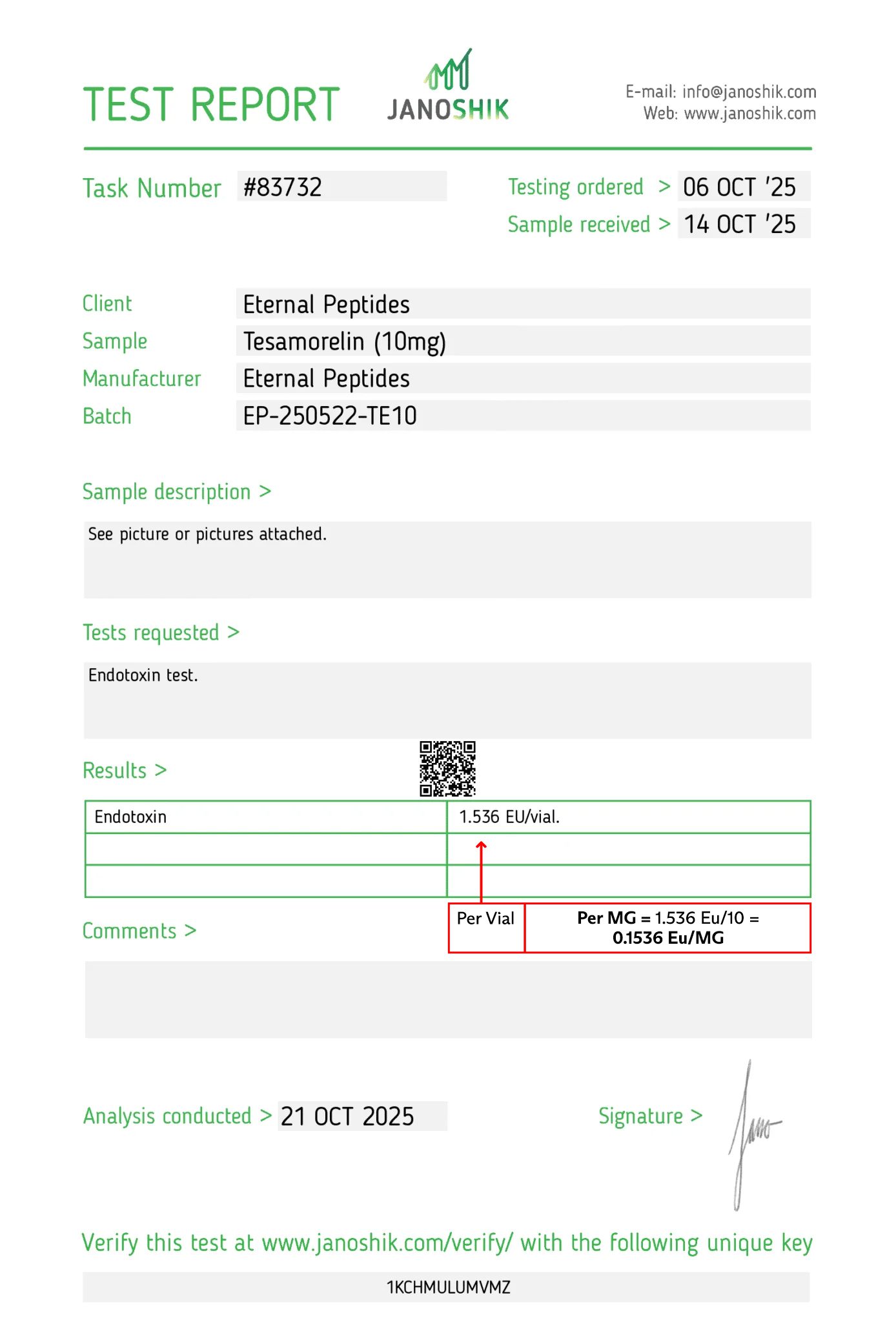
Batch: EP-250522-TE10
Upon receiving your Tesamorelin order, store the vials of lyophilized powder at –4°F to 14°F (–20°C to –10°C) and keep it protected from light and moisture to preserve peptide stability. Avoid prolonged exposure to ambient humidity during handling.
For laboratory use, reconstitute the powder using sterile/bacteriostatic water or an appropriate laboratory-grade aqueous solvent, following recommended operating procedures. Add the bacteriostatic water gently down the vial wall and allow the peptide to dissolve naturally; avoid vigorous shaking or agitation, which may promote degradation.
For best results, buy bacteriostatic water with your Tesamorelin here at Eternal Peptides for assured purity and quality.
Once reconstituted, it is recommended to aliquot the solution into sterile containers to minimize repeated freeze–thaw cycles. Repeated freezing and thawing can negatively affect peptide integrity and reproducibility.
Reconstituted working solutions may be stored at 36°F to 46°F (2°C to 8°C) for short-term use (several days) or at –112°F to –94°F (–80°C to –70°C) for longer-term storage, depending on study duration and laboratory protocol.
All handling should be conducted using appropriate laboratory safety practices, sterile technique, and in compliance with institutional biosafety guidelines and research-use regulations.
Eternal Peptides provides a Certificate of Analysis (COA) for every Tesamorelin product lot to support transparency, traceability, and confidence in research reproducibility. Each COA is lot-specific and corresponds directly to the unique batch identifier assigned to the vial, allowing precise verification during audits or experimental documentation.
COAs typically include peptide identity confirmation using analytical methods, such as high-performance liquid chromatography (HPLC), mass spectrometry, and other quantitative purity tests to verify at least 99% purity.
Where applicable, reports also include sterility assessments, endotoxin level analysis, and recommended storage conditions to ensure proper handling throughout the research lifecycle.
All analytical testing is conducted through independent third-party labs, including established providers such as Janoshik, to ensure objective and industry-standard evaluation. COAs are publicly accessible through the Eternal Peptides Lab Tests page.
Eternal Peptides supplies Tesamorelin for laboratory research use only. It is not approved for human or veterinary use and is not intended for clinical administration, therapeutic intervention, diagnostic procedures, or consumption of any kind.
The safety, efficacy, and long-term effects of Tesamorelin in humans have not been established, and all data referenced are derived from research settings.
As the purchaser and user, you are solely responsible for ensuring compliance with applicable local, state, and federal laws, institutional biosafety requirements, and research-use regulations governing the handling and use of research peptides.
Misrepresentation of intended use, including diversion for non-research purposes, may result in regulatory action or legal consequences.
https://www.ncbi.nlm.nih.gov/books/NBK548730/
https://pmc.ncbi.nlm.nih.gov/articles/PMC3513535/
https://pmc.ncbi.nlm.nih.gov/articles/PMC3218714/
https://pmc.ncbi.nlm.nih.gov/articles/PMC7455119/
About the Author:
Dr. Sony Sherpa, MBBS, MD
is a board-certified clinician with a background in emergency medicine and clinical practice. She specializes in medical research analysis, ensuring that product information is grounded in evidence-based medicine and strictly adheres to the latest scientific standards in peptide research and recovery.